A powerful youth-led movement is reshaping rural Tamil Nadu. The Rural Organisation for Social Education (ROSE) has been at the forefront of this transformation since 2002, building confident, skilled, and socially responsible young leaders across dozens of villages and districts.
Through the groundbreaking Local to Global Project in 2025, in partnership with RLHP and supported by Terre des Hommes, ROSE empowers youth to tackle climate change, protect biodiversity, and champion sustainable development from within their communities.
ROSE's approach is holistic and rights-based: young people are not passive beneficiaries but active leaders, innovators, and changemakers shaping the world they will inherit.
Key outcomes of the Local to Global Project 2025 across Tamil Nadu:
ROSE's youth development model, built over two decades since 2002, operates across six interlinked pillars, each addressing structural barriers rural youth face:
ROSE established Children Activity Centres (CACs) to provide structured after-school academic support for rural children and adolescents in coastal habitations. These centres expanded from five to ten units, serving 577 young learners at their peak, offering supplementary education, life skills, and values education.
Exam failure often leads to permanent dropout among rural youth. To counter this, ROSE provided special coaching support enabling 76 students to successfully re-enter public examinations, preventing educational exclusion and enhancing upward mobility.
ROSE runs crèche units for preschool children (under age 5) to provide nutrition, basic reading, writing and arithmetic, and psychosocial development — ensuring a strong foundation from the earliest years.
ROSE supported 9 young women in enrolling in regular college education by providing financial and mentoring support, increasing higher education participation among rural girls and strengthening long-term leadership aspirations.
ROSE conducts workshops for students on employment opportunities, competitive examinations (TNPSC/UPSC), and technical courses, opening pathways beyond the local economy.
Recognising the importance of employability, ROSE began vocational training in 2005–2006, including engine-repair training for 69 youth, creating pathways to self-employment and skilled-labour opportunities.
A major intervention addressed the exploitative Sumangali Scheme in textile mills. A needs assessment identified 1,026 girls trapped in this system. ROSE responded with structured vocational alternatives:
Outcomes: 79 girls secured local employment with earnings up to Rs. 10,000 per month — a sustainable transition from bonded labour to dignified employment.
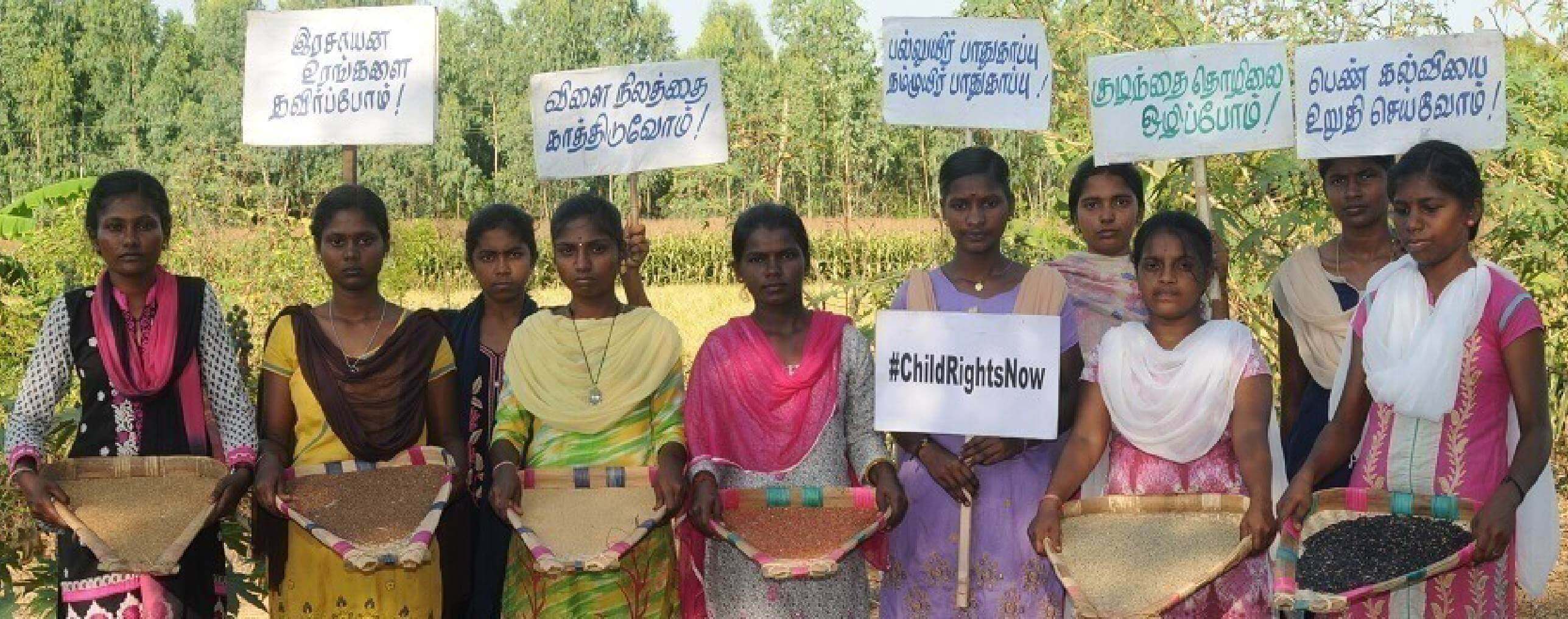
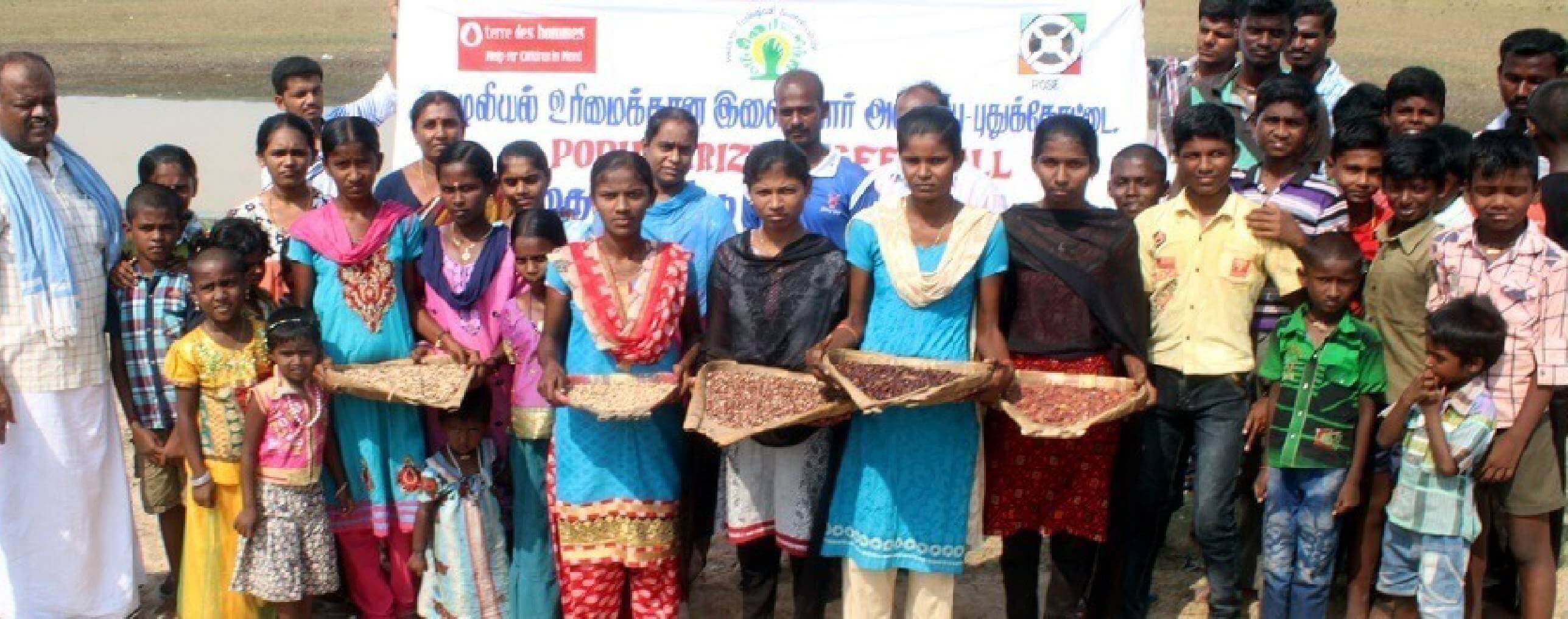
One of ROSE's flagship 2025 initiatives, Purely Millet, is a youth-run value-added enterprise launched in December 2024 under the Nature-Based Solutions (NBS) framework. Operated by eight active youth members, it addresses food security, farmer income, and the revival of millet cultivation.
ROSE trained 445 adolescent girls on labour rights and minimum wages, workplace safety standards, and protection from exploitation — reducing vulnerability to unsafe migration and bonded labour.
ROSE trained 163 adolescent girls on reproductive health, personal hygiene, and adolescent wellbeing, enhancing health literacy, self-confidence, and decision-making capacity.
ROSE organised 45 young girls to lead community-level campaigns to prevent child marriage, successfully stopping seven marriages. Peer-led advocacy demonstrates the power of informed youth leadership in transforming harmful social norms.
ROSE educates children on child rights violations in families and schools, and legal protection mechanisms including the POCSO Act and Child Welfare Committees, alongside the formation of Village Child Protection Committees (VCPC) and migrant movement registers.
ROSE established adolescent teams to combat exploitative labour practices and protect girls from recruitment into the Sumangali Scheme, functioning as grassroots monitoring and awareness units.
ROSE formed exclusive football and kabaddi teams for girls, alongside boys' sports teams, to ensure safe social spaces for recreation. Sports strengthened leadership skills, physical health, social inclusion, and the visibility of gender equality. Traditional Games Festivals are also organised, where children play dozens of traditional games enriching their relationship with nature and local culture.
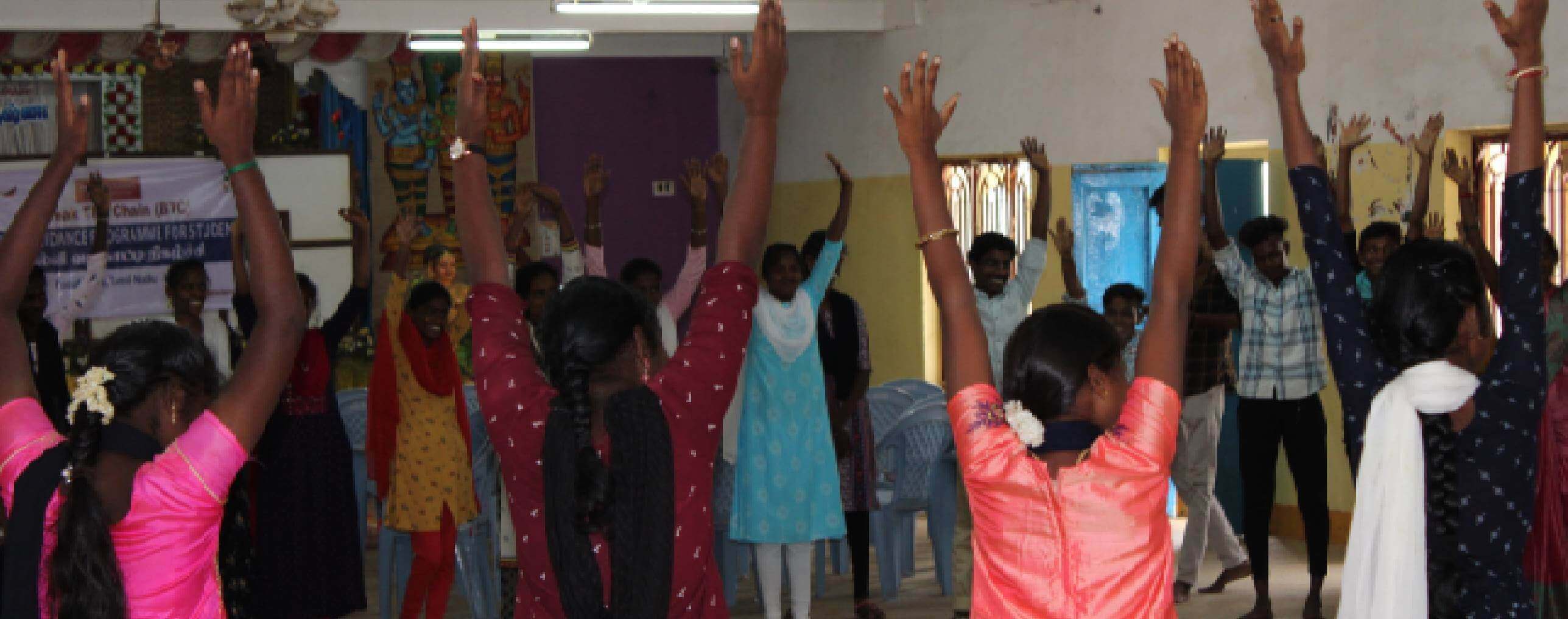
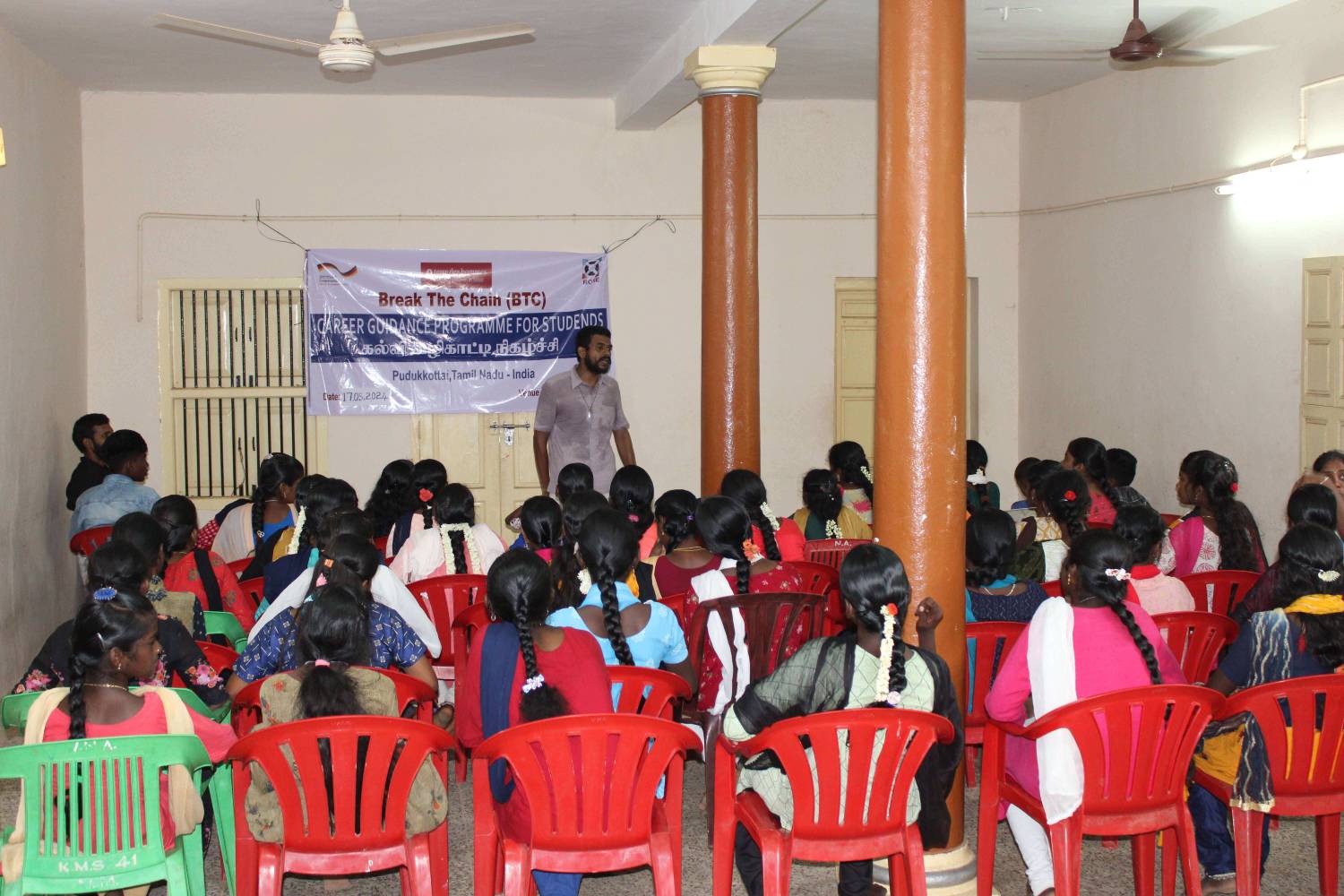
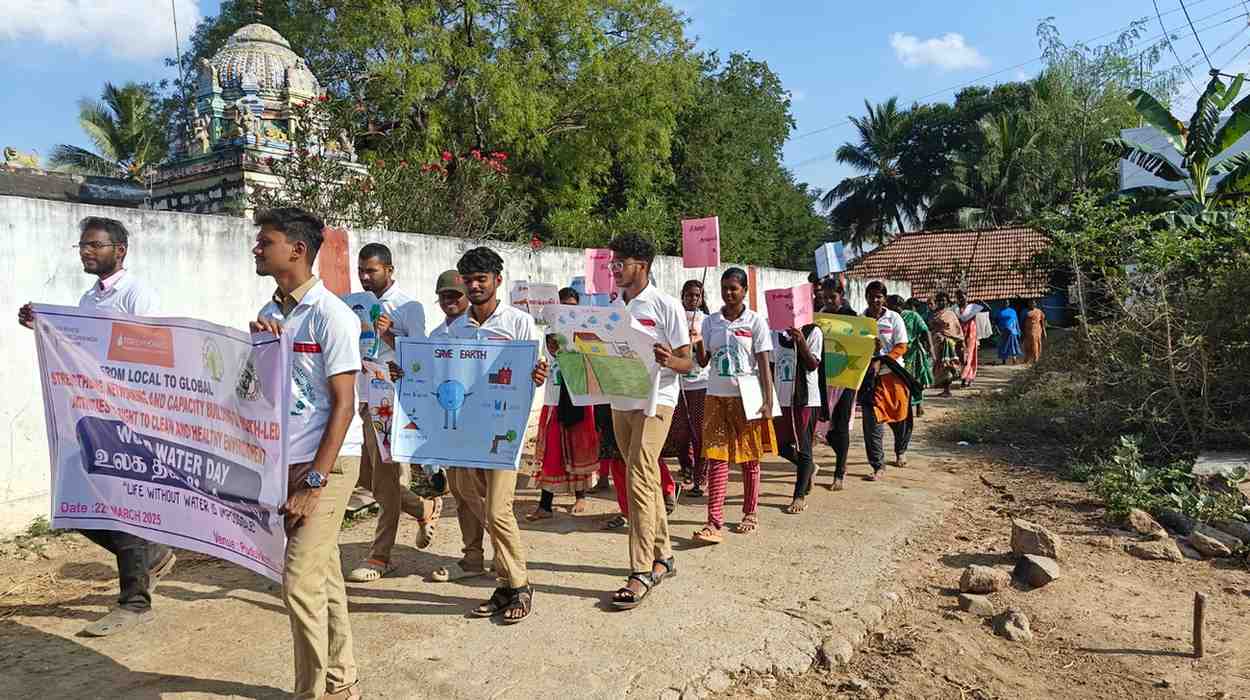
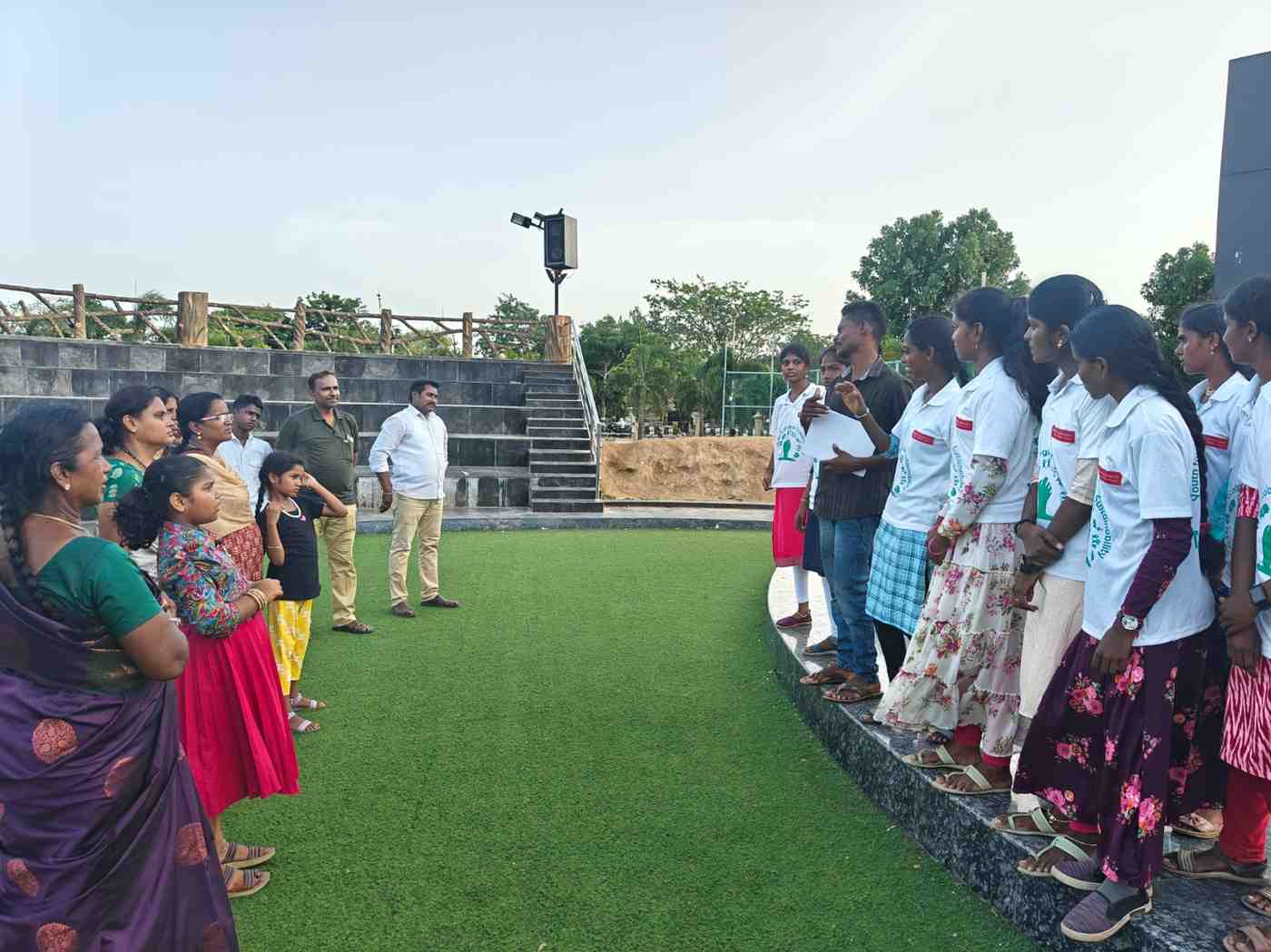
ROSE enabled 128 youth to participate in Grama Sabha meetings, presenting memorandums on issues such as sanitation, school infrastructure, access to drinking water, and garbage clearance — fostering democratic engagement and youth voice in policy decisions.
The Neighbourhood Parliament of Children encourages children to participate in local Grama Sabhas to voice community concerns directly to officials.
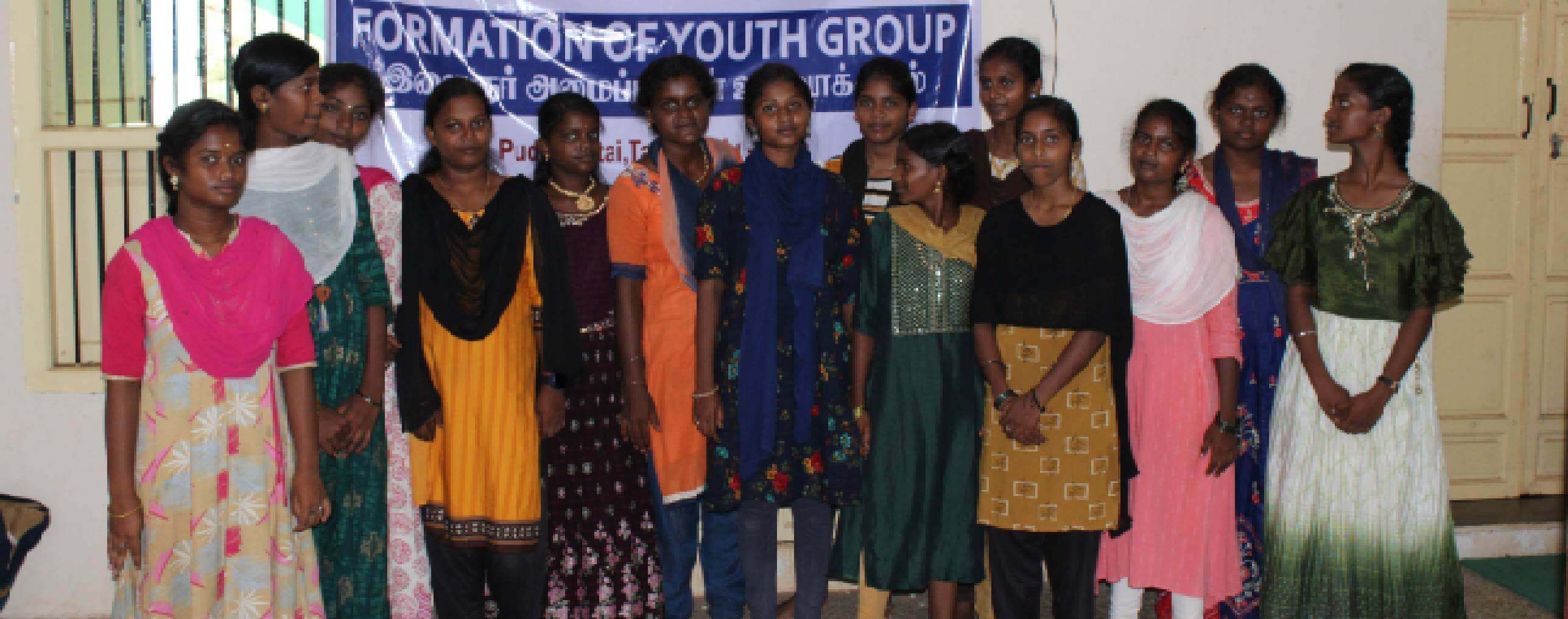
ROSE formed 30 Youth Action Groups with 727 members, including 387 girls. These groups advocate for child protection, gender justice, labour rights, and community development.
ROSE facilitated SLYNER to promote ecological awareness and youth leadership across districts, raising awareness of coastal ecology and defending ecological rights. One youth participant represented the region at a National Conference on Ecological Rights.
The Youth Core Committee convened regularly to review ongoing activities, coordinate campaigns, improve documentation practices, and plan future initiatives — serving as a leadership incubator providing hands-on experience in governance and strategic planning.
ROSE invests deeply in creating structured learning environments where rural youth engage with pressing global issues — climate change, biodiversity loss, sustainable agriculture, water management, and plastic pollution — and connect them to hyper-local realities in their villages.
Throughout 2025, ROSE's Tamil Nadu Youth Network held monthly tutorial meetings using interactive tools, group discussions, case studies, and climate learning toolkits, building both environmental awareness and critical thinking capacity.
Launched on April 22, 2025, as part of the Voice for Green Earth Campaign in Arimalam, the 45-day Green Footprint Challenge mobilised 281 youth and community members. Key outcomes:
Over 21 Eco Clubs established, with members engaging in tree plantation, plastic eradication, and creating organic home gardens. Members prepared 8,000 seed balls, and submissions to local authorities led the government to plant 200,000 palm seeds along village ponds.
Inaugurated on May 10, 2025 in Therku Nellipatti, 19 youth members undertook land preparation, irrigation planning, and cultivation of traditional crops, serving as a living model for sustainable agriculture.
On May 21, 2025 in Andakulam, 23 youth demonstrated composting techniques including Panchakavya, vermicomposting, and organic manure preparation, engaging local farmers in low-cost, eco-friendly farming methods.
On May 20, 2025, 28 youth members revived the ancient practice of pottery-based drip irrigation during a tree-planting drive, improving plant survival rates while conserving water.
Between May 19–24, 2025, 38 youth conducted surveys across three villages documenting biodiversity, water resources, and ecological changes, producing village resource maps to support local environmental planning.
From October 10–16, 2025, 137 participants engaged in the Zero Food Waste Challenge, promoting mindful consumption, food sharing, and composting.
Led by K.V. Thangabalu, this programme promoted agroforestry and climate resilience across 27 villages, distributing 4,600 saplings to 154 farmers and running awareness campaigns on carbon credits and sustainable farming.
ROSE youth don't just act locally — they advocate globally. In 2025, youth representatives engaged with government ministries, biodiversity authorities, and elected officials to place youth-led environmental concerns at the heart of policy.
A climate quiz in Karaiyur Village engaged 40 participants in interactive learning on climate mitigation and adaptation, followed by the distribution of fruit tree saplings.
Over 50 youth and community members gathered in Arimalam for an awareness rally, native sapling plantation, and an Adopt-a-Tree initiative promoting biodiversity conservation.
Over 60 participants in Karaiyur joined the Walk for Water campaign, including a pond clean-up and an awareness rally on sustainable water use and pollution reduction.
Celebrated in Pudukkottai through youth-led rallies, street performances, and recognition of 281 Green Footprint Challenge participants.
ROSE conducted school orientations in June 2025 and college orientation programmes in July 2025, engaging over 80 students on waste management, water conservation, and organic farming. In November 2025, Global Action Month activities featured poster creation, essay writing, and seedball planting.
Youth in Arimalam and Karaiyur organised public space clean-ups, water quality testing using TDS and pH kits, QR code trails (Know Your Village), open mic sessions, and submitted petitions to Gram Sabhas demanding safe drinking water.
Youth representatives met with Minister K.K.S.S.R. Ramachandran at the Tamil Nadu Secretariat to present a memorandum containing 17 sustainability proposals covering climate action, biodiversity, and youth-led initiatives — a landmark step in mainstreaming youth voices in state-level policymaking.
A youth delegation presented their petition advocating the designation of Narthamalai as a Biodiversity Heritage Site, submitting research, biodiversity data, and documentation of community support.
Youth formally submitted their petition to the TNSBB and received orientation on establishing Biodiversity Heritage Sites, forming Biodiversity Management Committees (BMCs), and documenting People's Biodiversity Registers (PBRs).
14 youth members visited the Agriculture Marketing Department in Pudukkottai to understand market systems and government schemes (PMFME, AIF), gaining insights into value addition and agri-business entrepreneurship.
Youth visited the Forest Department in Pudukkottai, learning about nursery management, native species, and geotagging, and presenting a petition advocating for the removal of invasive eucalyptus trees and native forest restoration.
Following the tsunami, ROSE launched a community-driven psychosocial care initiative that initially supported 120 youth and later expanded to 580 participants, using visualisation exercises, drawing-based expression, painting, and structured counselling to help participants overcome trauma and return to normalcy.
ROSE enhances healthy interactions between children and parents through training that refines attitudes and behaviours, building stronger home environments for child development.
Individual and group counselling is provided for adolescent girls who have faced trauma, such as being trapped in the exploitative Sumangali Scheme.
During the pandemic, youth centres served 111 participants; two new youth groups were formed; and campaigns on ecological and social justice issues continued, helping prevent social isolation and learning disruption.
A major event involving 302 children and 150 community members celebrated youth talent and social awareness.
185 youth received comics training to creatively identify and address social, health, and environmental issues, building critical thinking and advocacy capacity.
ROSE organises festivals where children play dozens of traditional games, enriching their relationship with nature and local culture.
Over two decades, ROSE has achieved significant, documented outcomes:
These measurable outcomes demonstrate sustained community transformation across Tamil Nadu.
Empowering rural youth yields transformative, intergenerational social and economic dividends:
ROSE welcomes partnerships with CSR initiatives, philanthropic foundations, government departments, and international development agencies to expand youth leadership programmes, vocational training, girl child empowerment strategies, and climate action campaigns across rural India.
Together, we can scale what young people have proven is possible: that local action, when rooted in knowledge, purpose, and community, can change the world.