Since 2002, the Rural Organisation for Social Education (ROSE) has implemented comprehensive women empowerment programs in rural Tamil Nadu, evolving from grassroots Self-Help Group (SHG) mobilization to political leadership training, sustainable agriculture promotion, fisherwomen rights advocacy, maternal health initiatives, and protection of adolescent girls from exploitative labor systems.
Our approach to rural women empowerment is structured, rights-based, and community-driven. By strengthening social capital, expanding livelihood opportunities, enhancing governance participation, and addressing gender-based violence, ROSE ensures that women are not passive beneficiaries but active decision-makers shaping their communities.
ROSE's integrated model operates across five strategic pillars:
Each pillar addresses systemic barriers such as poverty, limited access to finance, political exclusion, gender discrimination, and labor exploitation.
In 2002–2003, ROSE facilitated the formation of 55 Self-Help Groups (SHGs) with 1,100 members. These groups focused on:
The SHG movement laid the foundation for long-term economic empowerment and collective bargaining power.
To consolidate women's voices, ROSE established the Bharathi Mahalir Iyakkam (BMI), which grew to 1,950 members. The federation structure enhanced:
This scale reflects sustained mobilization and institutional strengthening.
Recognizing the vulnerabilities of coastal women, ROSE formed the Bharathi Meenava Pengal Iyakkam (BMPI) in 2008–2009 with 913 fisherwomen members.
BMPI addressed:
Over 500 women participated in public protests demanding quality rice in ration shops—demonstrating grassroots activism.
Following the 2004 tsunami, ROSE intensified political leadership initiatives:
Training modules covered:
This milestone significantly increased women's participation in local governance structures.
Continuous leadership training strengthened women's ability to:
Political empowerment enhances institutional representation and ensures women's voices influence resource allocation.
ROSE faacilitated 113 widows and deserted women to receive livelihood support through access to credit for fish vending and farming activities.
This intervention:
ROSE diversified women's income sources through targeted skill training:
These programs supported entrepreneurship and local market integration.
ROSE facilitated:
Benefits included:
ROSE provided 76 women with livestock support including goats, poultry, and cows.
Livestock rearing provides:
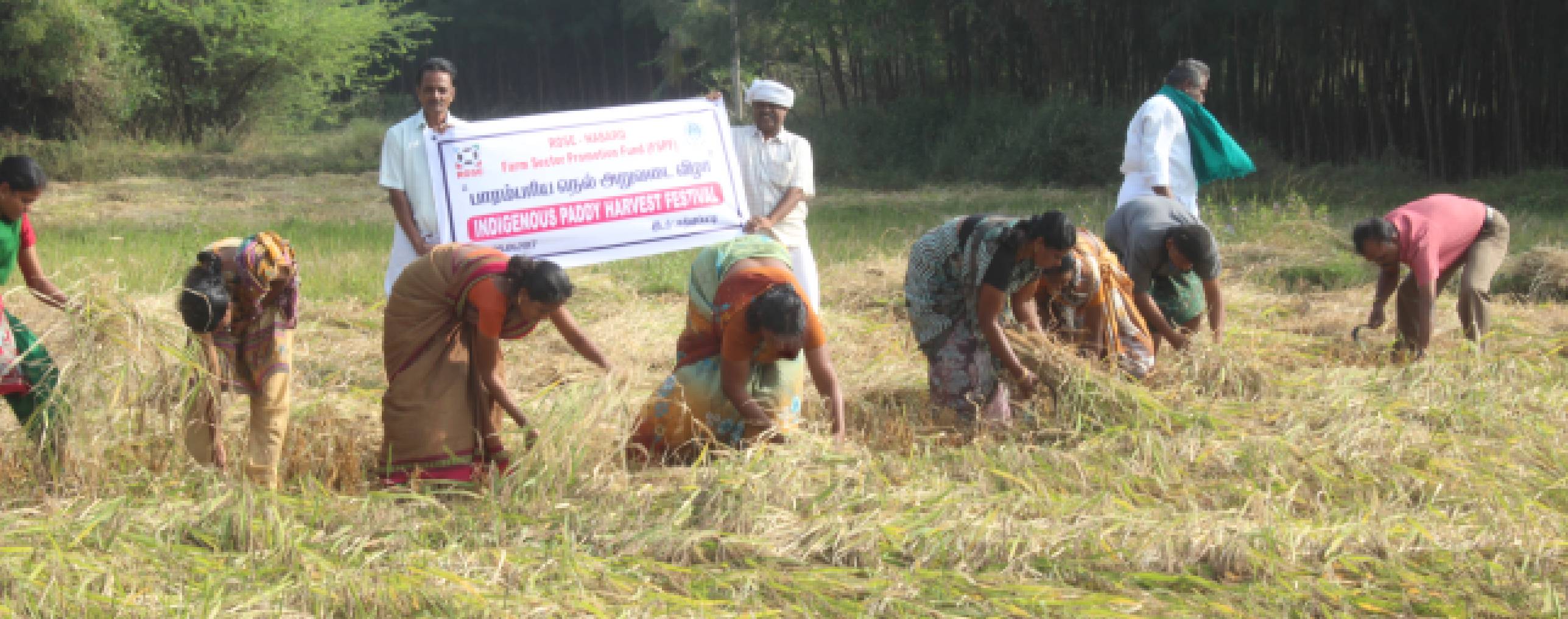
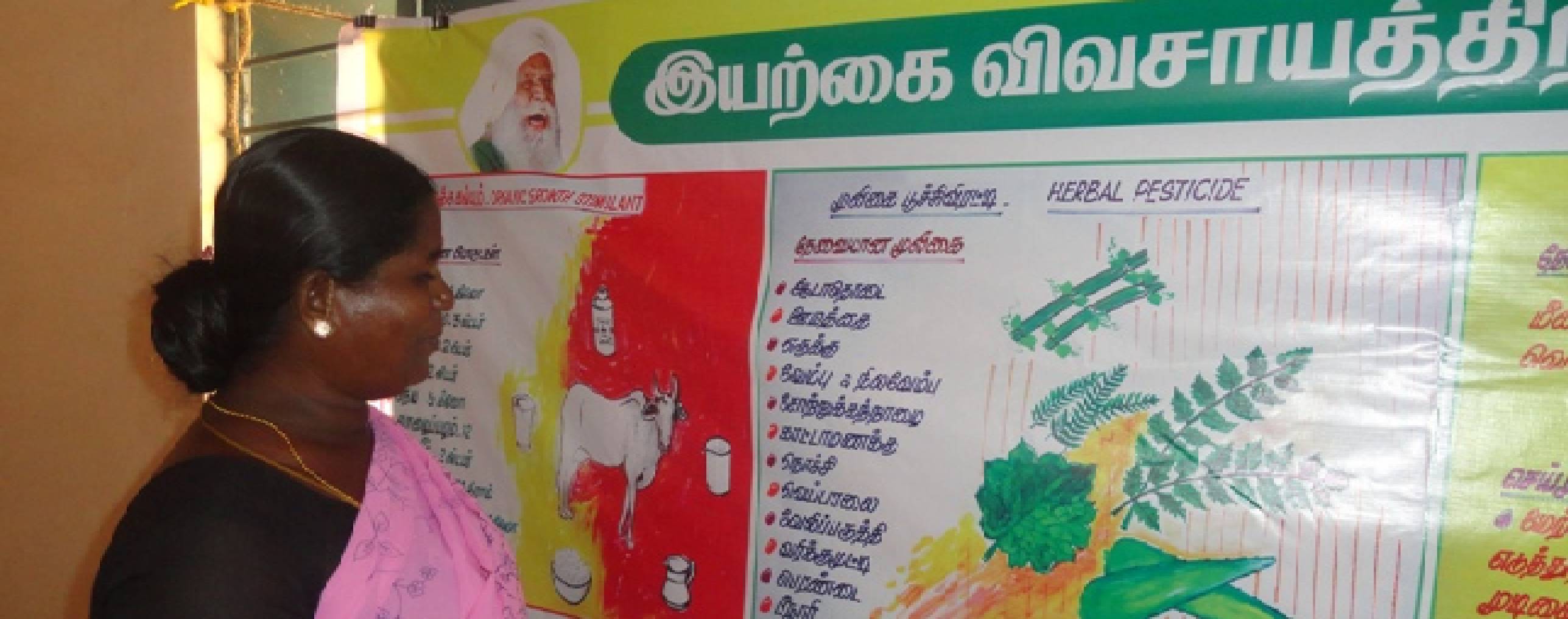
ROSE traained 100 Master Community Resource Persons to promote agricultural livelihoods under state flagship schemes.
This strengthened community-level capacity for scaling economic empowerment.
Early interventions identified 400 anemic women and trained 100 women as herbal practitioners.
Community-based health promotion improved:
ROSE conducted training for young mothers on:
The objective was to reduce maternal mortality and improve neonatal outcomes in rural communities.
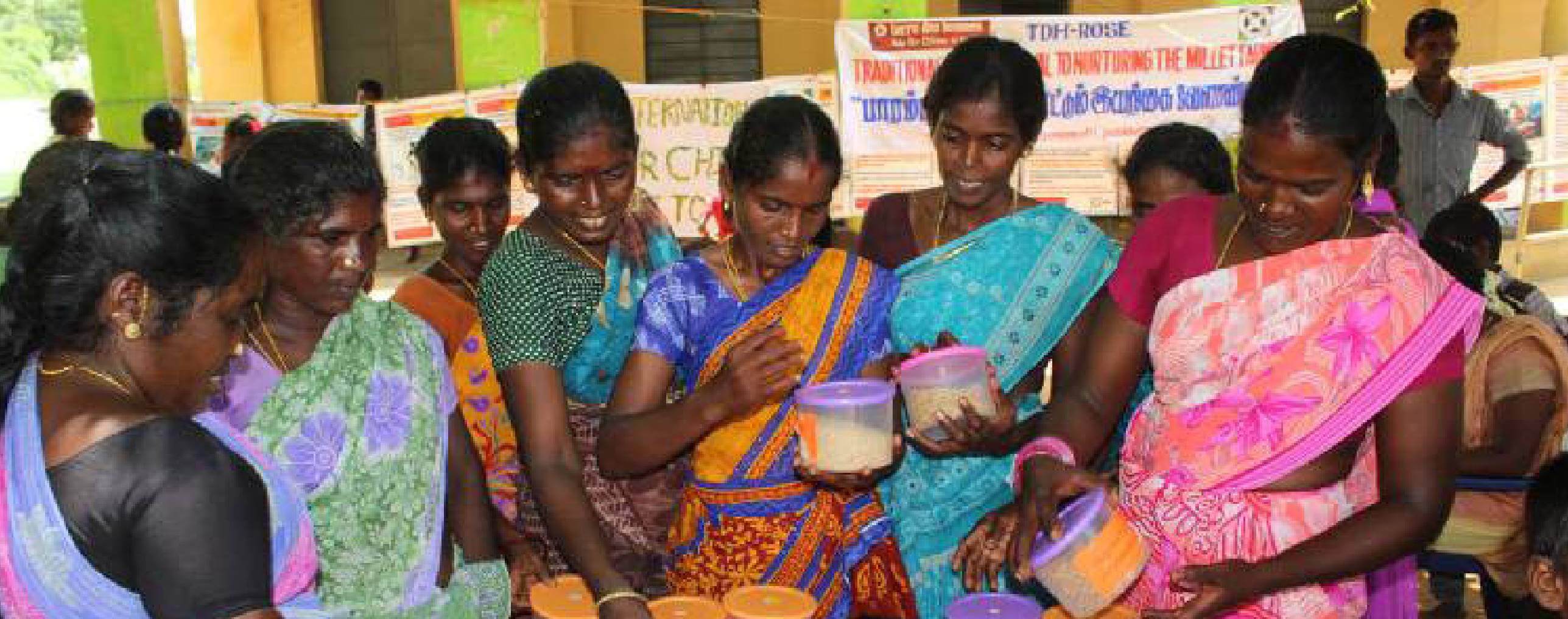
Kitchen garden promotion among 807 women enhanced dietary diversity and household food security.
Nutritional empowerment is central to women's health and child wellbeing.
Post-tsunami and Cyclone Gaja interventions included:
Immediate relief was integrated with long-term rehabilitation strategies.
ROSE also identified 1,026 girls trapped in the exploitative Sumangali textile labor scheme.
A Regional Resource Centre (RRC) was established to provide:
This initiative disrupted bonded labor cycles and restored dignity.
ROSE provided 445 girls with training on:
Awareness reduces vulnerability to exploitation and unsafe migration.
Federation members were trained on the Domestic Violence Act to protect women in both public and private spaces.
Legal literacy strengthens women's autonomy and safety.
Gender education programs reached 260 girls, who collectively stopped seven child marriages.
Preventing child marriage strengthens long-term educational and economic outcomes for girls.
ROSE facilitated registration of 1,638 fisherwomen with the State Welfare Board for unorganized workers.
Access to:
Social protection enhances long-term financial security.
ROSE's women empowerment initiatives have:
These outcomes demonstrate structural transformation in leadership, economic stability, and social justice.
Empowering women generates multiplier effects:
Women's empowerment is not a standalone intervention—it is the foundation of inclusive growth.
ROSE invites partnerships with:
Together, we can scale women empowerment programs, sustainable livelihood initiatives, political leadership training, and gender justice campaigns across rural Tamil Nadu.