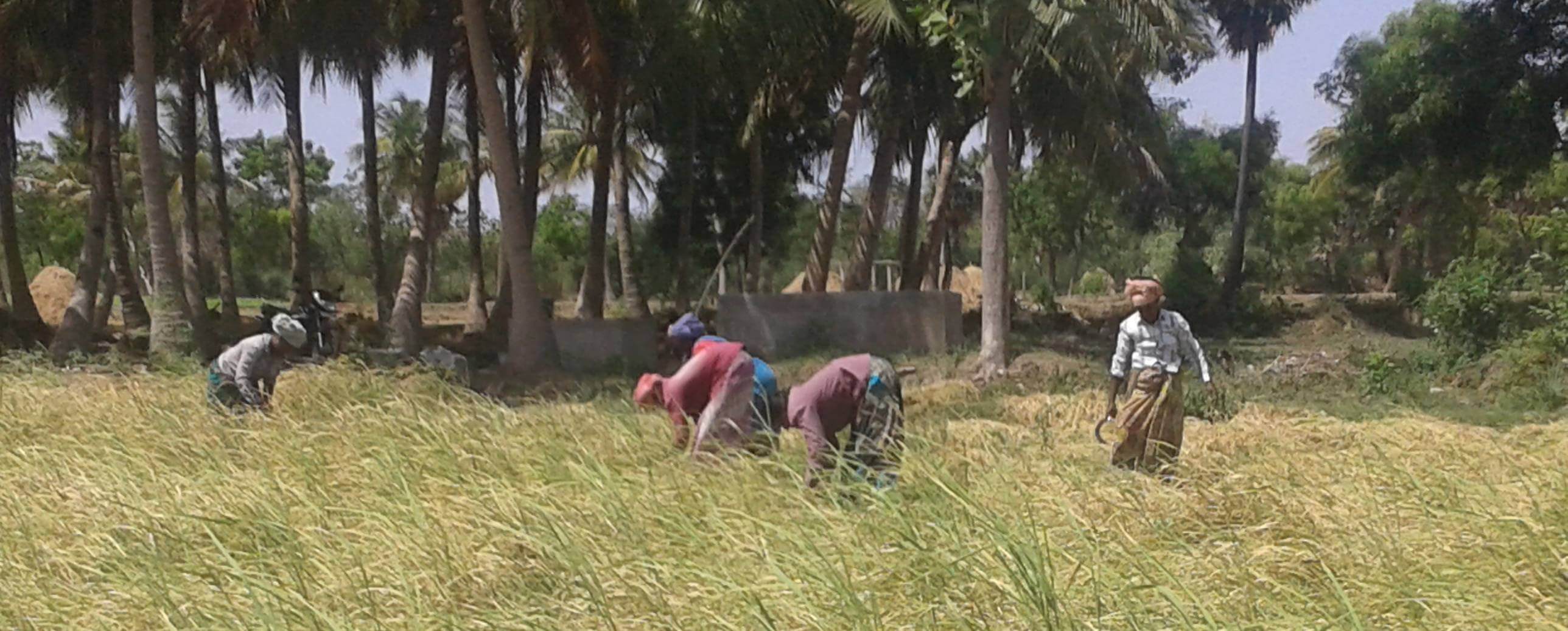
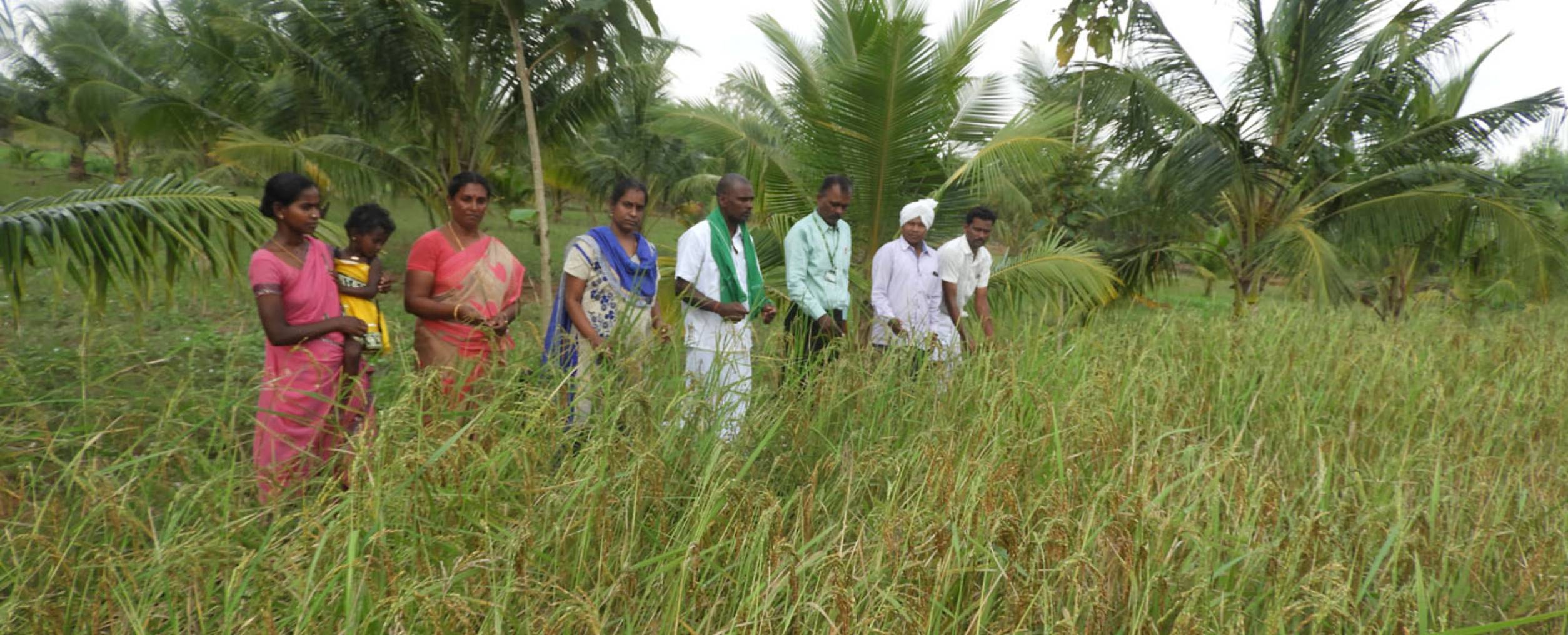
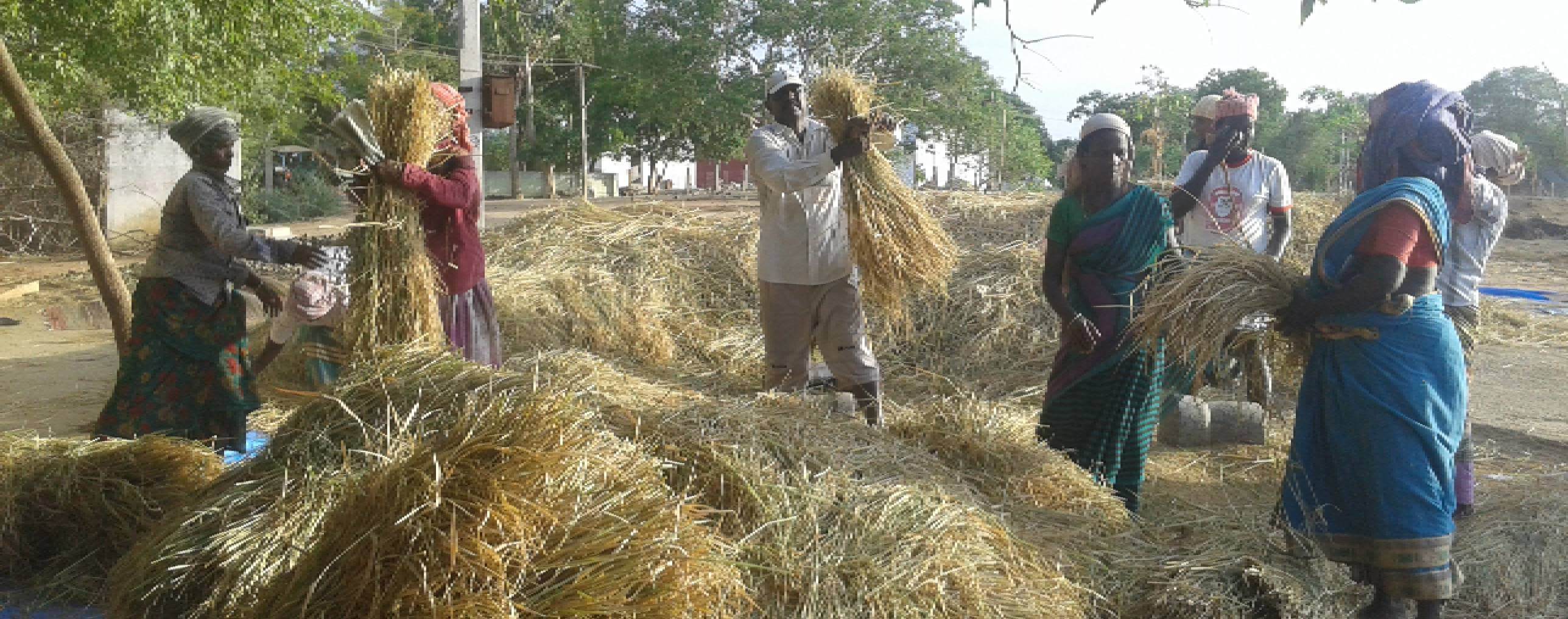
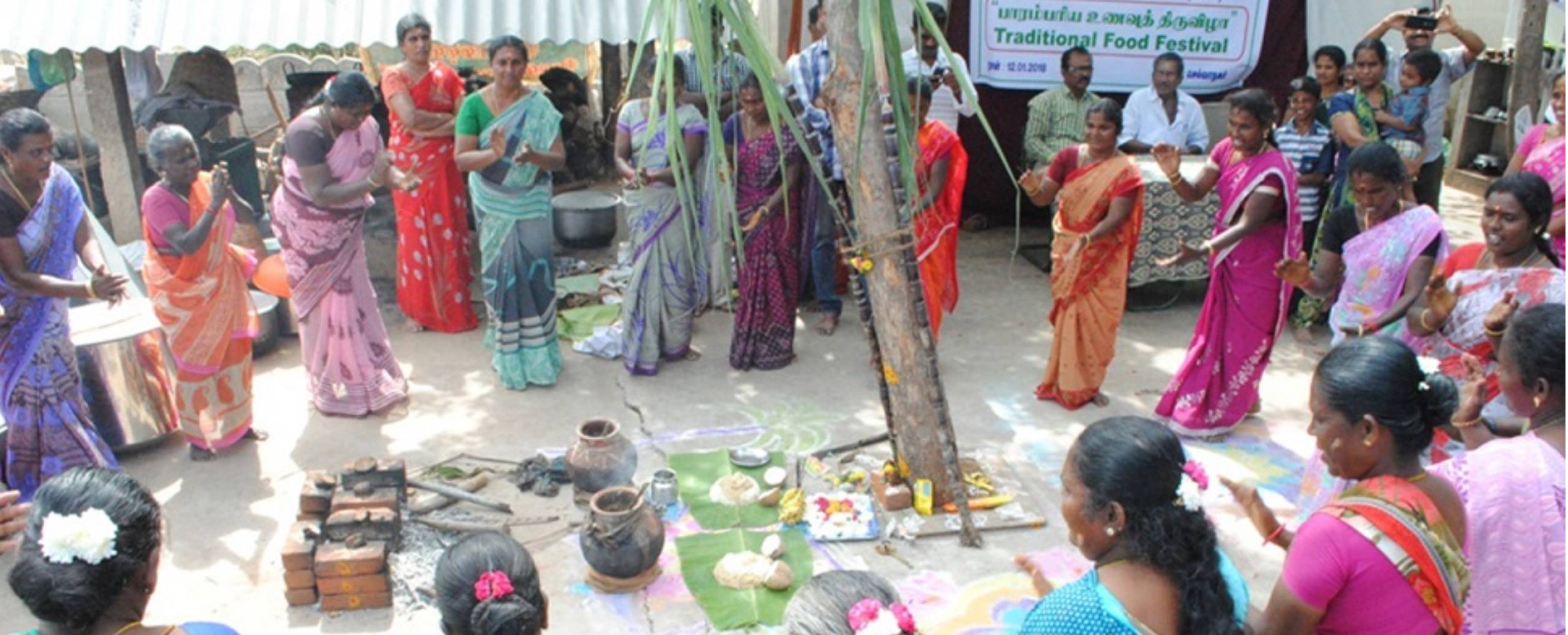
Sustainable agriculture is no longer an alternative approach—it is an economic, ecological, and social necessity. Since 2002, the Rural Organisation for Social Education (ROSE) has led a transformative movement supporting small and marginal farmers to shift from chemical-intensive cultivation to organic farming, climate-resilient agriculture, indigenous seed conservation, water resource management, and collective marketing through Farmer Producer Organizations (FPOs).
A major institutional milestone in this journey is the formation of Pudukkottai Organic Farmers Producer Company Limited (POFPCL), a registered Farmer Producer Company with 1,364 small and marginal farmer members (71% women). Together, ROSE and POFPCL demonstrate a scalable, award-winning model of sustainable rural livelihoods.
ROSE's integrated sustainable agriculture strategy is built on six interconnected pillars:
This holistic approach strengthens farm productivity, biodiversity, income stability, and long-term climate resilience.
Beginning in 2002, ROSE trained farmers across multiple villages in:
Village-level farmers' clubs were established to promote sustainable cultivation and natural resource management.
This transition significantly reduced input costs while restoring soil fertility and long-term productivity.
ROSE introduced the System of Rice Intensification (SRI) on 201 acres, improving:
An 18-week Farmer Field School (FFS) further strengthened farmer technical capacity.
Between 2013–2015, ROSE developed a "package of practices" combining:
This model enabled degraded chemical land to be restored within a single monsoon season.
Through NABARD-supported action research:
This demonstrates that indigenous varieties can outperform high-input hybrids under sustainable systems.
ROSE promoted:
Millets enhance climate resilience and dietary diversity.
POFPCL received the "Indigenous Seed Conserver" Award from the Organic Farmers' Association of India, recognizing its commitment to biodiversity conservation.
ROSE supported:
POFPCL later facilitated construction of 25 additional farm ponds across five blocks.
Farmers collectively desilted the Koncham Kammai irrigation canal, enabling irrigation of 430 acres and producing approximately 810 tons of paddy.
Key environmental initiatives include:
Agroforestry and biodiversity forests strengthen groundwater recharge and carbon sequestration.
POFPCL was registered under the Companies Act, 2013, with facilitation support from ROSE.
POFPCL provides end-to-end agricultural services including:
POFPCL has received:
The FPO is recognized among the top-performing FPOs supported by Tamil Nadu Small Farmers Agri Business Consortium.
The company supplies products to:
Approximately 30% of processed products are sold directly in retail to establish brand identity.
150 women marginal farmers transitioned to sustainable agriculture using:
508 organic kitchen gardens promoted nutritional security.
76 women received support for:
Women farmer interest groups received training in millet snack preparation and formed production units under POFPCL for value-added sales.
POFPCL operates millet processing machinery including:
Innovations include:
Participation in:
Over 1,000 officials, farmers, and processors have visited the FPO for replication and learning.
ROSE and POFPCL have:
ROSE also conducted critical appraisal of major irrigation projects to advocate for community participation and environmental safeguards.
The ROSE–POFPCL model integrates:
This approach demonstrates that sustainable agriculture is economically viable, environmentally restorative, and socially inclusive.
We welcome collaboration with:
Together, we can scale organic farming, strengthen Farmer Producer Organizations, conserve indigenous seeds, and build climate-resilient rural economies.